Source ford ranger fuel filter for Engines, Trucks, and Parts
Compare 30 ford ranger fuel filter options from verified suppliers. Buyers can review specifications, pricing, and delivery times for reliable replacement parts suitable for various Ford models.
Key considerations
Products List
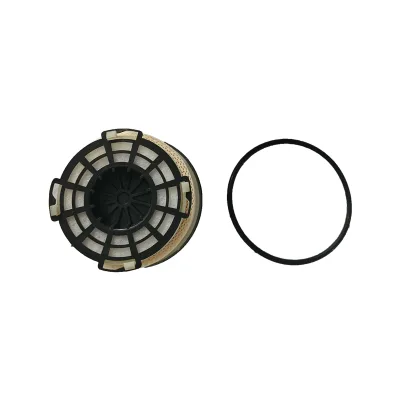
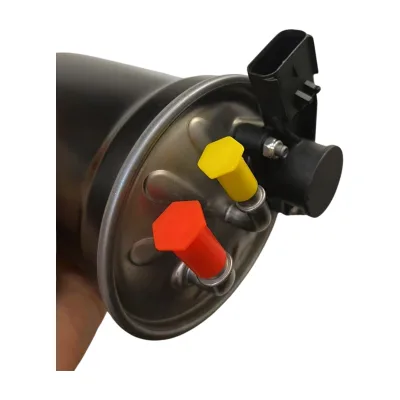
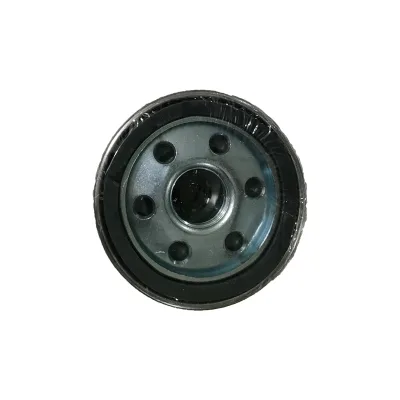
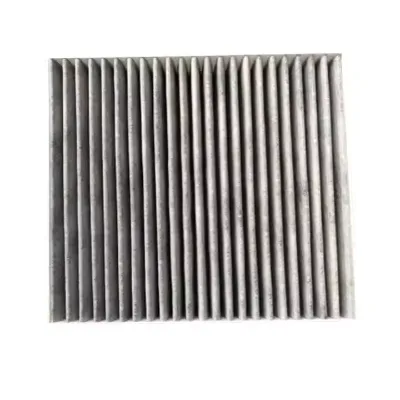


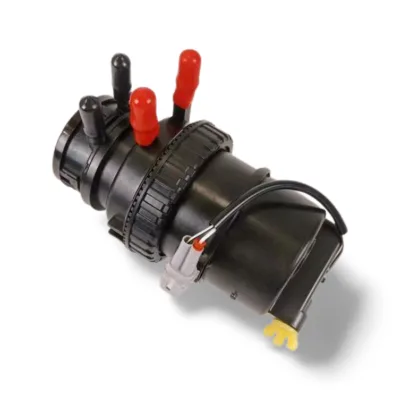


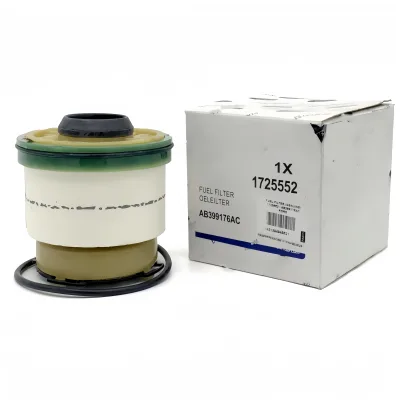
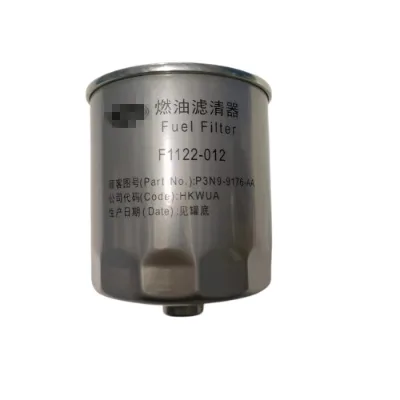


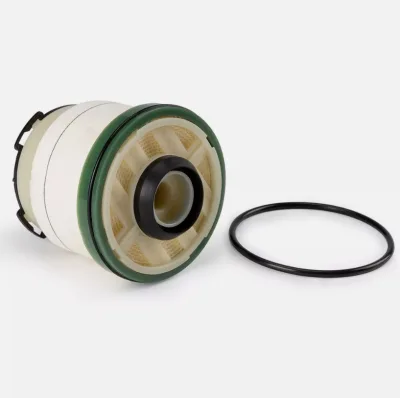


Comprehensive Sourcing Guide
Strategic Sourcing Guide for Ford Ranger Fuel Filters
Understanding Technical Specifications and Compatibility
When sourcing fuel filters for the Ford Ranger, buyers must first navigate a complex landscape of part numbers and technical classifications to ensure absolute compatibility. The core keyword "Ford Ranger fuel filter" often leads to a variety of specific part numbers that serve different engine variants and model years. Based on available market data, specific identifiers such as AB39-9176-AC and MB3Q-9B262-AC are frequently cited as critical reference points for this vehicle segment. These alphanumeric codes are not merely labels; they represent the precise engineering tolerances required to maintain fuel system integrity.
The technical profile of these filters varies significantly depending on the intended application. Some listings identify the product strictly as a "Fuel Filter," while others categorize them under broader classifications like "Oil Filter" or "Air Conditioner Filter," which can cause confusion during the procurement process. For the Ford Ranger, the primary focus must remain on the fuel filtration system. The structural design is often described as a "Cartridge Filter," which implies a specific mounting mechanism and flow path. The material composition is equally critical; observed specifications point to a "Paper Core" and "Fiber" materials, often utilizing "Nonwoven Fabric" for the filtration medium. This material selection is designed to trap particulate matter while maintaining optimal fuel flow rates.
Furthermore, the physical dimensions and operating conditions are standardized yet specific. The "Standard Size" designation suggests that while the filter fits a general category of vehicles, the exact fitment relies on the OEM part number. The "Wet" pattern classification indicates a specific operational state or design feature, distinguishing it from dry filtration systems. Buyers must verify that the "Model Number" matches the specific engine configuration of their Ford Ranger, as mismatches here can lead to immediate system failure. The distinction between models like BB3Q-6744-BA and MEB3G9176AB highlights the necessity of cross-referencing multiple part numbers to ensure the correct component is selected for the specific vehicle generation.
Compliance, Certification, and Quality Standards
In the B2B procurement of automotive components, compliance is not a suggestion but a prerequisite for liability management and operational safety. The supply chain for Ford Ranger fuel filters is subject to rigorous quality assurance protocols. Market observations indicate that reputable suppliers often provide products with certifications such as TüV, ISO9001, RoHS, and CE. These certifications serve as third-party validations that the manufacturing process adheres to international standards for quality management, environmental safety, and electrical/mechanical safety.
The ISO9001 certification, in particular, is a vital indicator of a supplier's commitment to consistent quality control. It suggests that the manufacturer has a documented system for managing processes, ensuring that every filter produced meets the same high standards. RoHS compliance is essential for ensuring that the materials used, such as the paper core and nonwoven fabric, do not contain restricted hazardous substances. This is increasingly important for export markets with strict environmental regulations. Similarly, TüV and CE marks provide assurance regarding the product's safety and performance in European and global markets.
However, buyers must exercise caution when interpreting these claims. While the data lists these certifications as available attributes, it is the buyer's responsibility to verify the validity of these certificates for the specific batch of goods being purchased. The presence of a certification mark on a product page does not automatically guarantee that every unit in a shipment meets the standard. Procurement teams should request current, verifiable copies of these certificates from the supplier before finalizing any order. Additionally, the "High-Quality" attribute often associated with these products is a subjective claim that must be backed by objective test data and the aforementioned certifications. The "Standard" product standard mentioned in the data suggests adherence to general industry norms, but specific Ford engineering standards may require further verification.
Cost Drivers and Pricing Dynamics
The pricing of Ford Ranger fuel filters is influenced by a variety of factors, ranging from raw material costs to logistical complexities. The observed market price range for these components spans from $0.40 to $50.00 USD. This wide variance is not indicative of a single product but rather reflects the diversity of the market, including differences in brand reputation, material quality, certification status, and order volume.
The MOQ (Minimum Order Quantity) is a primary driver of unit cost. Data indicates an MOQ range of 1 to 1000 units, with a specific high-confidence observation of 50 pieces for certain listings. Buyers purchasing small quantities, such as the 2-piece MOQ observed in some listings, will likely face a higher per-unit cost compared to those placing bulk orders. The "Selling Units" are typically listed as "Single item," which can complicate bulk pricing negotiations if the supplier does not have a tiered pricing structure.
Material composition also plays a significant role in cost. Filters utilizing "Paper Core" and "Nonwoven Fabric" may be priced differently than those with more complex "Fiber" structures or specialized filtration grades like "Hepa Filter" (though Hepa is typically associated with air filtration, its mention in the data suggests high-efficiency variants exist). The "Neutral, Original or Brand" packaging options can also affect the final price, as branded packaging often carries a premium over neutral packaging.
Logistics and payment terms further influence the total cost of ownership. The "Delivery time" of 7-15 days suggests a relatively quick turnaround, but this can vary based on the supplier's location, which is noted as Guangdong, China. Payment methods such as T/T, Western Union, PayPal, and Cash offer flexibility but may carry different transaction fees or risks that impact the effective cost. Buyers should calculate the total landed cost, including shipping and potential tariffs, rather than focusing solely on the unit price.
Typical Applications and Fitment Verification
The primary application for these fuel filters is the maintenance and repair of Ford Ranger vehicles. The "Purpose" is explicitly stated as "for replace/repair," indicating that these components are designed for aftermarket service rather than original equipment manufacturing (OEM) installation in new vehicles. The "Fit for" attribute specifies "Automobiles Parts," confirming their use in the automotive sector.
However, the specific fitment is not universal across all Ford Ranger models. The data highlights specific model numbers such as AB39-9176-AC and MB3Q-9B262-AC, which correspond to particular engine configurations and model years. The "Car Model" field lists "Ford" and "Ford Ranger," but the precision required for a successful procurement lies in matching the OEM and OE NO. numbers. For instance, AB399176AC and KV619155AF are specific identifiers that must be matched against the vehicle's service manual or existing part number.
The "Single volume" and "Single gross weight" being listed as 0 cm³ and 0.0 kg respectively in some data points suggests that these are placeholder values or that the weight/volume is negligible in the context of the listing. Buyers should not rely on these figures for shipping calculations but should instead request specific packaging dimensions and weight from the supplier. The "Clapboard" feature mentioned in the data is an unusual attribute for a fuel filter and may refer to specific packaging or mounting hardware, requiring clarification from the supplier to ensure it does not indicate a non-standard or incorrect product.
Supplier Evaluation and Reliability Assessment
Selecting the right supplier is critical for ensuring the long-term reliability of the Ford Ranger fuel filters. The "Place of Origin" is consistently identified as Guangdong, China, a major manufacturing hub for automotive components. While this region is known for its industrial capacity, it also hosts a wide range of suppliers with varying levels of quality control.
Buyers should evaluate suppliers based on several key criteria. First, the "In stock" status is a crucial indicator of supply chain readiness. The data confirms that products are "In stock," which is beneficial for reducing lead times. However, buyers should verify the actual inventory levels to avoid delays. Second, the "Warranty" period of 6 months is a standard offering that provides a baseline level of protection against manufacturing defects. Buyers should ensure that the warranty terms are clearly defined and enforceable.
The "Customization" availability is another important factor. Some suppliers offer "Available" customization, which can be valuable for buyers with specific requirements or private labeling needs. However, customization often comes with higher MOQs and longer lead times. The "Brand Name" TOMSHE is observed in the data, but buyers should not limit their search to a single brand. Instead, they should look for suppliers that accept OEM Accepted branding, allowing for flexibility in sourcing.
Finally, the payment terms and delivery reliability are essential for risk management. The availability of multiple payment methods (T/T, Western Union, PayPal, Cash) offers flexibility, but buyers should prefer secure payment methods that offer buyer protection. The "Delivery time" of 7-15 days is a standard expectation, but buyers should confirm this with the specific supplier to ensure it aligns with their operational needs.
Quality Control and Long-Term Procurement Considerations
Ensuring the quality of Ford Ranger fuel filters requires a proactive approach to quality control. The "Quality" attribute is listed as "High-Quality," but this is a claim that must be validated through rigorous inspection. Buyers should implement a quality control plan that includes visual inspections, dimensional checks, and performance testing. The "Filtration Grade" and "Efficiency" (noted as F7 in some contexts) are critical metrics that should be verified against the supplier's test reports.
Long-term procurement considerations involve building a sustainable relationship with reliable suppliers. The "Packaging" options, including "Paper Box" and "Neutral" packaging, should be evaluated for their ability to protect the product during transit. The "Condition" of the product is listed as "New," which is a standard requirement, but buyers should ensure that the packaging prevents damage during shipping.
The "Single gross weight" and "Single volume" being zero in the data suggests that buyers must request accurate shipping data to plan logistics effectively. The "Lead time" of 7-15 days is a key factor in inventory management. Buyers should maintain a safety stock to account for potential delays, especially when ordering from international suppliers. The "Warranty" of 6 months provides a buffer for early failures, but buyers should also consider the total cost of ownership, including the cost of downtime if a filter fails prematurely.
In conclusion, sourcing Ford Ranger fuel filters requires a meticulous approach to technical verification, compliance checking, and supplier evaluation. By focusing on specific part numbers, verifying certifications, and understanding the cost drivers, buyers can secure high-quality components that ensure the reliable operation of their vehicles. The data provided offers a solid foundation for decision-making, but continuous verification and communication with suppliers are essential for successful procurement.
Comparative Analysis of Key Product Attributes
To facilitate a clearer understanding of the variations in the market, the following table summarizes the key attributes observed in the supply data for Ford Ranger fuel filters. This comparison highlights the diversity in specifications, certifications, and logistical parameters that buyers must navigate.
| Attribute Category | Specific Observation | Relevance to Procurement |
|---|---|---|
| Part Numbers | AB39-9176-AC, MB3Q-9B262-AC, BB3Q-6744-BA | Critical for ensuring exact vehicle fitment and engine compatibility. |
| Material Composition | Paper Core, Fiber, Nonwoven Fabric | Determines filtration efficiency and durability; impacts cost. |
| Certifications | TüV, ISO9001, RoHS, CE | Validates safety, environmental compliance, and quality management systems. |
| MOQ Range | 1 to 1000 units (High confidence: 50 pcs) | Directly influences unit price and inventory strategy. |
| Price Range | $0.40 - $50.00 USD | Reflects variations in brand, quality, and order volume. |
| Delivery Time | 7-15 Days | Affects supply chain planning and inventory turnover. |
| Warranty | 6 Months | Provides protection against manufacturing defects. |
| Origin | Guangdong, China | Indicates manufacturing hub and potential logistical considerations. |
| Packaging | Paper Box, Neutral, Original or Brand | Impacts product protection and branding options. |
| Product Type | Fuel Filter, Oil Filter, Air Conditioner Filter | Requires careful verification to ensure the correct component is ordered. |
This table serves as a quick reference for buyers to identify the most critical factors when evaluating potential suppliers. By cross-referencing these attributes with specific vehicle requirements, procurement teams can make informed decisions that minimize risk and maximize value.
FAQs
What certifications do these fuel filters hold?
These filters hold TüV, ISO9001, RoHS, and CE certifications. These marks validate compliance with international quality and safety standards, ensuring the product meets environmental and mechanical requirements for automotive use.
Which model numbers fit the Ford Ranger?
Compatible model numbers include AB39-9176-AC and MB3Q-9B262. Buyers must verify these specific codes against their vehicle service manual to ensure the cartridge filter matches the exact engine configuration and year.
How long is the delivery time for orders?
Delivery typically occurs within 7 to 15 days. This lead time applies to items currently in stock and may vary based on the specific supplier location in Guangdong, China, and the chosen payment method.
Can I customize the packaging for bulk orders?
Customization is available for packaging options. Buyers can choose between neutral, original, or branded packaging, though specific requirements may influence the minimum order quantity and final unit pricing structure.
What is the warranty period for this product?
The product comes with a 6-month warranty. This coverage protects against manufacturing defects, provided the filter is used for its intended purpose of replacing or repairing automotive parts in Ford vehicles.
What is the minimum order quantity for purchase?
The minimum order quantity ranges from 2 to 1000 pieces depending on the listing. Some specific high-confidence listings require a minimum of 50 pieces, while others may allow smaller trial orders.
Which payment methods are accepted for transactions?
Accepted payment methods include T/T, Western Union, PayPal, and Cash. Buyers should select a secure method that aligns with their risk management policies before confirming the order details with the supplier.